Subsidence Insurance | Home & Indemnity Cover

Previous Subsidence Home Insurance

If your property has a history of ground movement, finding cover can feel like hitting a brick wall. Most mainstream insurers will not touch a previous subsidence home, leaving owners with few options when their existing policy comes up for renewal. Working with a broker who has access to specialist insurance providers gives you long-term financial security and the right property insurance for your situation.

For clients with multiple properties or complex portfolios, we offer specialist Property Portfolio Insurance designed to provide seamless, high-value protection under a single, carefully structured policy.

Horner Blakey

Insurance Brokers

Horner Blakey

Insurance Brokers

What Is Previous Subsidence Home Insurance?

Insurance for a previous subsidence home is a tailored policy designed for properties that have suffered ground movement in the past. While standard home insurance with subsidence history is rarely available through high-street insurers, specialist policies pick up where mainstream cover stops. These policies protect you against future ground movement, even if your property has already been affected once before. Finding buildings insurance for a property with a subsidence history is often challenging and may come with higher insurance premiums and significant excesses.

You may be asking, can I get house insurance for subsidence after a previous claim? The honest answer is yes, but only through specialist subsidence insurance markets. Standard insurers typically decline or apply heavy exclusions to a previous subsidence home, and many British insurers will not offer renewal once a subsidence claim has been made, which is why an independent broker is the most reliable route to suitable cover.

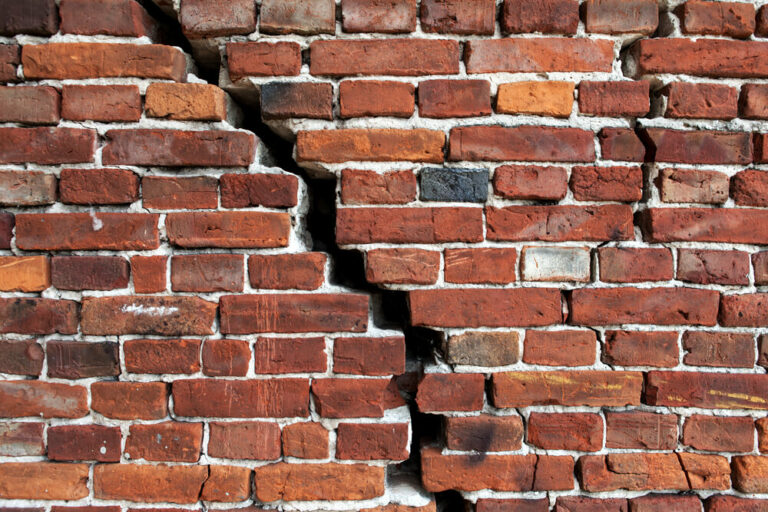
Crack in a brick wall

Do I Need Specialist Subsidence Insurance for a Property with Previous Subsidence?

If your home has experienced ground movement before, there is always a chance it could return. Even after professional repairs, soil conditions and structural factors can change over time. A history of subsidence can reduce a property’s market value by 15% to 25%, even after professional repairs have been completed. Owning a previous subsidence home means insurance protection is the most sensible way to safeguard your finances.

There is no single reason why subsidence occurs. The most common cause of subsidence is the shrinkage of clay soils due to moisture extraction, often exacerbated by tree roots growing under the property during hot and dry weather. Several factors can be involved, including:

  • Soil moisture changes: Clay soils in particular shrink and swell depending on moisture content, which can shift foundations. London’s underlying clay soil shrinks in dry summers and swells in wet winters, which can cause foundations to shift. Extreme weather conditions such as prolonged drought or heavy rainfall can accelerate this process significantly.
  • Tree and vegetation roots: Roots searching for water during dry spells can draw moisture from beneath your property.
  • Leaking drains: Damaged pipework can gradually wash soil away from under the soil beneath your foundations, causing sudden movement.

Repair work after subsidence claims can be expensive and disruptive. Diagonal cracks wider than 3mm can indicate subsidence issues, along with sticking doors or windows and sloping or uneven floors. Left unaddressed, these are a serious risk to the structural integrity of your home.

Without proper cover, the cost of repairing structural damage caused by subsidence can run into tens of thousands of pounds.

Can I Get Subsidence Home Insurance If My Property Has a Subsidence History?

Yes, you can. If you already have subsidence cover but want to switch insurer, the new provider will need to assess the previous incident properly. This is standard practice in the historical subsidence insurance market, and is governed in part by the ABI subsidence claim handling agreement, which sets out which insurer is responsible for handling a claim when policies change hands.

When considering a property with historic subsidence, it is important to obtain a structural engineer’s report to confirm that the previous subsidence issues have been resolved and to assess the quality of repairs. Most high-street lenders reject properties with ongoing subsidence, but many will consider historic cases if the property has been stable for over 10 years.

You will normally be asked to provide:

Document Purpose
Up-to-date surveyor’s report Confirms the current structural condition of the property
Certificate of Structural Adequacy Shows that any past repairs were completed to a recognised standard
Previous claims information Allows the underwriter to understand the full claims history
Evidence of underpinning (if applicable) Required for underpinned house insurance assessments

We work with specialist insurance providers who underwrite based on your individual circumstances rather than a postcode-only model. We always recommend reading the full policy wording before signing, as terms and conditions vary between insurers.

What Does Subsidence Insurance Cover?

Policies vary, but a typical buildings and contents insurance subsidence section will provide cover for:

  • Repairs to your home for damage caused by future ground movement
  • Alternative accommodation costs if your property becomes uninhabitable during repairs
  • Professional fees for structural engineers and surveyors involved in any subsidence claims
  • Damage to outbuildings, walls, and patios were caused by the same insured event

Many large insurers refuse to offer buildings insurance subsidence protection where there is any prior history. This is where house insurance for subsidence through a specialist broker becomes valuable.

To reduce the risk of subsidence, avoid planting trees or shrubs within six metres of your home, as their roots can extract moisture from the soil, leading to ground shrinkage.

Specialist subsidence insurance often costs slightly more than a standard policy, but it gives you the confidence that a future claim has a realistic chance of being settled.

Why Use Horner Blakey for Historical Subsidence Insurance?

As an independent broker, we are not tied to a single insurer. We assess your claims history, property type, location, and budget, then match you with underwriters who actively want to write about this kind of risk. Whether you own a Victorian terrace, a listed building, or an underpinned house insurance case, we can usually source competitive terms.

Our experience covers the full spectrum of property risks, from straightforward home insurance with subsidence history through to complex cases involving underpinning, repeated movement, or active monitoring. Properties in areas with shallow foundations, particularly Victorian and Edwardian homes, are more vulnerable to subsidence risks. Good cover for properties with movement history depends on accurate information and the right underwriter, and that is exactly where a specialist broker adds value.

For more background reading, view our frequently asked property insurance questions or browse our Landlords A-Z of useful terms for further guidance.

Subsidence Indemnity Insurance and Alternative Cover Options

Subsidence indemnity insurance may be relevant in certain property transactions where a historic subsidence issue creates concern for buyers, lenders or solicitors. However, it is not always a replacement for full subsidence home insurance.

Our brokers can help you understand whether a specialist policy, indemnity-style solution or wider buildings insurance arrangement is most appropriate.

Arrange Specialist Subsidence Home Insurance Today

A previous subsidence home should never leave you uninsured or underinsured. Regularly check for cracks in walls and ceilings, as these can be signs of subsidence and ensure that your guttering and drains are unblocked to prevent water damage. With the right broker and the right insurer, suitable subsidence cover is well within reach.

Contact our team today for a tailored quote on your insurance for properties with previous subsidence home. Our brokers will take the time to understand your property, review your claims history, and match you with an underwriter who genuinely wants to write the risk.

Whether you are renewing an existing policy, switching from an insurer who has declined to continue cover, or buying a home with a known history of ground movement, we will guide you through every step. Get in touch for a no-obligation conversation about the right cover for your circumstances.